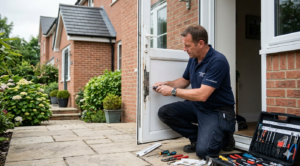
A key breaking inside a lock is one of those problems that feels small at first — until you realize you can’t get inside your home, car, or office. In Dundee and surrounding areas, this situation often happens during cold weather, early mornings, or late evenings when locks are already under stress. Many people panic and make the situation worse without meaning to.
This comprehensive guide explains exactly what to do when your key breaks in a lock, what you can safely attempt yourself, and when it’s time to call a professional locksmith in Dundee.
Why Keys Break Inside Locks
Keys rarely snap without warning. In most cases, there are clear reasons behind it.
Worn or Damaged Keys
Over time, keys weaken. Metal fatigue builds up after years of turning the same lock daily. Small bends from being sat on, dropped, or kept in tight pockets weaken the structure of the key. Many homes in Dundee still use older locks, and their keys have often been copied multiple times, making them thinner and more fragile.
Old or Poorly Maintained Locks
Locks contain small moving parts that wear down. Dirt, dust, and rust increase resistance inside the cylinder. When a lock doesn’t turn smoothly, extra force is transferred directly to the key — and eventually, the weakest point snaps.
Cold and Damp UK Weather
Cold temperatures cause metal to contract. In winter, especially in Scotland, locks become stiff overnight. Moisture can also freeze inside the lock, increasing resistance. Turning a cold, brittle key in these conditions significantly increases the chance of it breaking.
Forcing a Stuck Lock
If a lock doesn’t turn easily, forcing it is one of the most common causes of snapped keys. The lock might need lubrication or adjustment, but force turns a minor issue into a major one.
Immediate Steps to Take When Your Key Breaks
Your reaction in the first few moments can determine whether the lock is salvageable.
First, stop turning the lock immediately. Continued turning often pushes the broken piece deeper into the cylinder. Next, do not attempt to insert the remaining part of the key — this almost always makes extraction harder.
Look closely at the lock. If part of the key is sticking out, there may be a chance of removing it safely. Keep the lock in its current position, as moving it can trap the fragment behind the pins.
Taking a moment to assess the situation calmly often prevents unnecessary damage.
Smart Locks vs Traditional Locks: Which Is Better for Dundee Properties?
DIY Methods to Remove a Broken Key from a Lock
These methods should only be attempted if the broken key is visible or close to the opening.
Using Tweezers or Needle-Nose Pliers
This method works best when the key fragment extends slightly beyond the lock face. Use fine-tipped tweezers or narrow pliers to grip the key firmly. Pull straight outward without twisting. Twisting can cause the fragment to snap again or wedge itself deeper.
Patience is key here. Rushing often leads to failure.
Using a Broken Key Extractor Tool
A broken key extractor is a specialist tool designed to hook onto the grooves of a snapped key. Insert the tool gently alongside the broken piece, align it with the key’s teeth, and slowly pull outward. This method is commonly used by professional locksmiths across Dundee.
Using a Thin Saw or Jigsaw Blade
A thin blade with upward-facing teeth can sometimes catch the key’s ridges. Slide the blade into the lock carefully, hook the key, and pull it out slowly. This requires a steady hand — too much force can damage the lock pins.
Applying Proper Lock Lubricant
Graphite powder or a specialist lock spray reduces internal friction. Apply a small amount and wait a moment before attempting extraction. Avoid oils or household sprays, as they attract dirt and worsen the problem over time.
What You Should Never Do
Some common mistakes make the problem far worse.
Never use super glue to stick another key to the broken piece. This often permanently bonds the fragment to the lock. Avoid pushing objects like paper clips, screws, or nails into the lock, as they damage the internal pins.
Drilling or hammering the lock should only be done if you plan to replace it entirely. These actions almost always destroy the lock mechanism.
When You Should Call a Professional Locksmith in Dundee
There are situations where DIY attempts are simply not worth the risk.
If the key is broken deep inside the lock, if the lock is high-security or anti-snap, or if the issue involves a car door or ignition, professional help is the safest option. Commercial properties, rented homes, and emergency lockouts should always be handled by a qualified locksmith.
Local locksmiths in Dundee have specialised tools that allow them to remove broken keys without damaging the lock or door.
How a Locksmith Removes a Broken Key Safely
A professional locksmith begins by inspecting the lock to understand how the key broke and where it is lodged. Using extraction tools designed for precision, they carefully remove the fragment while protecting the internal pins.
Once removed, the locksmith tests the lock for smooth operation and checks whether the cylinder has suffered any damage. In many cases, the lock can continue to be used without replacement, saving time and money.
Key Broke in Different Types of Locks
House Door Locks
Deadbolts, night latches, and euro cylinders all behave differently. Modern locks often require specialised tools, and forcing them can compromise home security.
Car Door and Ignition Locks
Vehicle locks are sensitive and expensive to repair. A snapped key in an ignition can quickly turn into a costly replacement if handled incorrectly. Professional assistance is strongly recommended.
Padlocks and Garage Locks
Older padlocks are often cheaper to replace than repair. Garage locks, however, usually benefit from careful extraction to avoid alignment issues.
How to Prevent Keys from Breaking in the Future
Prevention is always easier than repair. Replace worn or bent keys early and avoid using heavily copied duplicates. Lubricate locks once or twice a year, especially before winter.
If a lock feels stiff, don’t force it — address the issue early. For older Dundee properties, periodic lock checks can prevent unexpected failures.
Frequently Asked Questions
Can a broken key damage a lock permanently?
Yes, especially if forced or glued. Early professional extraction usually prevents damage.
Is it safe to use the lock after the key is removed?
In many cases, yes — provided the lock hasn’t been damaged.
Does cold weather really affect locks?
Absolutely. Cold temperatures and moisture significantly increase lock resistance.
Final Thoughts
A key breaking in a lock is inconvenient, stressful, and often unexpected — but it doesn’t have to turn into a disaster. Knowing how to react, what to avoid, and when to call a local Dundee locksmith can save you time, money, and unnecessary damage.