A uPVC door that refuses to lock properly can quickly become a major concern for homeowners. What may start as a slightly stiff handle or a lock that occasionally sticks can eventually leave your property vulnerable to break-ins, draughts, and expensive emergency repairs. For many homeowners in Dundee, locking problems are one of the most common reasons for calling a professional uPVC door repair specialist.
Because Dundee experiences a mix of wet weather, coastal winds, and seasonal temperature changes, uPVC doors often face conditions that can affect their performance over time. While some locking issues can be resolved with basic maintenance, others require professional repair to prevent further damage.
In this guide, we’ll explain the most common reasons a uPVC door won’t lock properly, how to identify the warning signs, and what solutions are available to restore your door’s security and functionality.
Understanding How a uPVC Door Locking System Works
Before diagnosing a locking issue, it’s helpful to understand how a modern uPVC door operates.
The Main Components of a uPVC Door
Most modern uPVC doors use a multi-point locking system rather than a single lock. This system secures the door at several points along the frame, providing greater security and a tighter seal.
The key components include:
Multi-Point Locking Mechanism
This runs vertically inside the door and controls multiple locking points that engage when the handle is lifted and the key is turned.
Door Handle
The handle activates the locking mechanism and allows the user to engage or disengage the locks.
Euro Cylinder Lock
This is the section where the key is inserted. It controls access and activates the locking system.
Hinges
Hinges support the weight of the door and help maintain correct alignment.
Keeps and Locking Points
Keeps are mounted within the frame and receive the locking hooks, rollers, or bolts when the door is secured.
Why Proper Alignment Matters
Every component of a uPVC door works together. Even if the lock itself is functioning correctly, the door may fail to lock if alignment is compromised.
As doors age, everyday use can place stress on hinges and moving parts. Over time, slight movement can cause locking points to miss their keeps, creating difficulty when locking or unlocking the door.
Regular wear and tear is normal, but ignoring alignment issues often leads to more serious mechanical failures.
Common Reasons Your uPVC Door Won’t Lock Properly
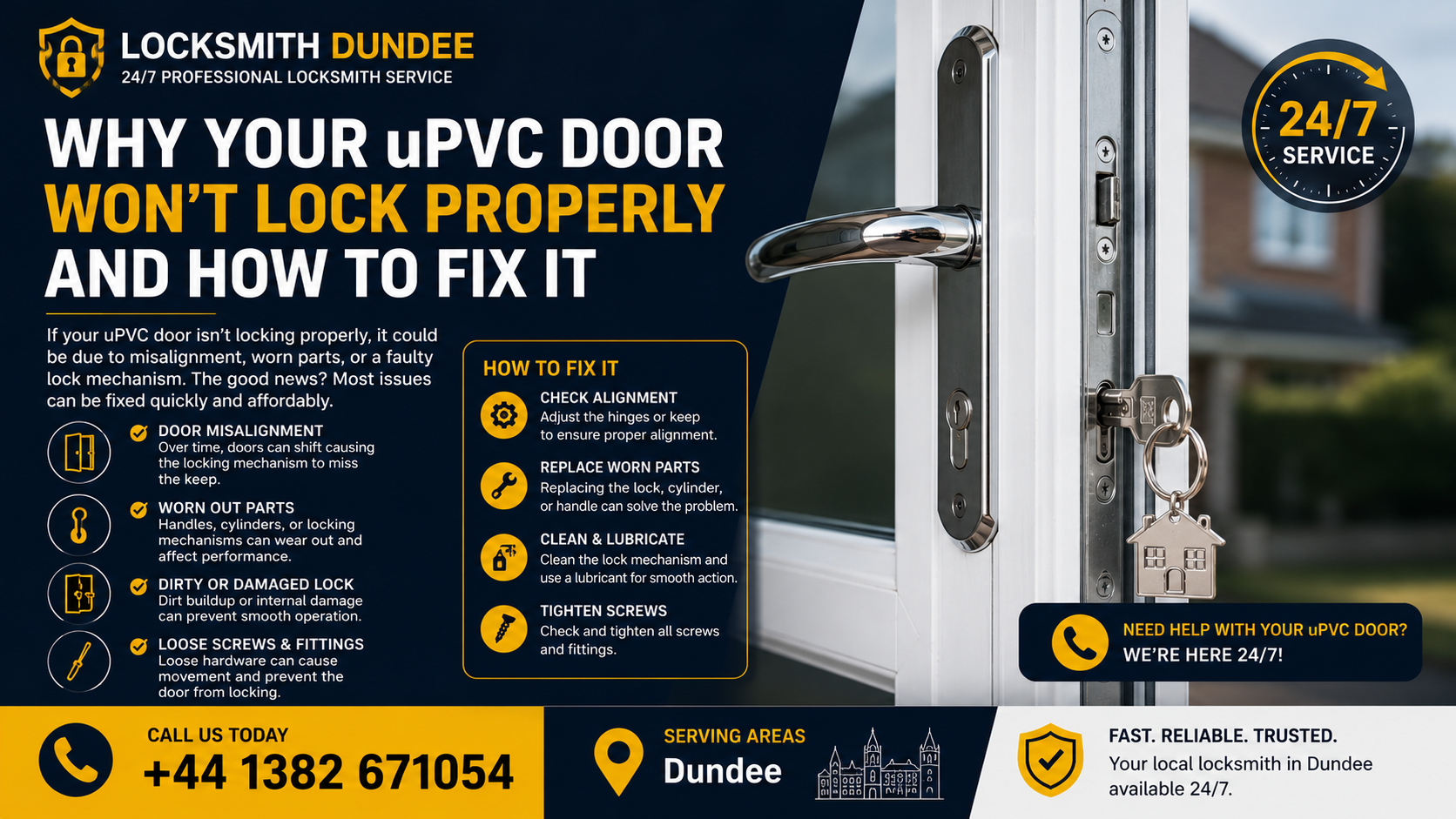
Door Misalignment
Door misalignment is one of the most frequent causes of locking issues.
Door Has Dropped Due to Age
Over years of daily use, the weight of the door can cause hinges to shift slightly. This can result in the door dropping and no longer sitting squarely within the frame.
Seasonal Movement Affecting the Frame
Properties naturally expand and contract due to temperature fluctuations. This movement can affect both the frame and the door itself.
Signs of Misalignment
Common indicators include:
- Door scraping the frame
- Difficulty turning the key
- Uneven gaps around the door
- Handle requiring extra force to lift
- Door only locking when pushed or lifted
Faulty Multi-Point Locking Mechanism
The multi-point locking system contains numerous moving parts that can wear over time.
Internal Gearbox Failure
The gearbox acts as the control centre of the locking system. When it fails, the handle may become stiff or stop operating altogether.
Broken Locking Strips
Locking strips contain hooks, rollers, and bolts that secure the door. Damaged strips can prevent proper engagement.
Locking Points Not Engaging
If the locking points fail to line up correctly with the keeps, the door may refuse to lock completely.
Worn or Damaged Door Hinges
Hinges support the full weight of the door every day.
Hinges Becoming Loose
Over time, screws may loosen, allowing the door to shift position.
Door Sagging
A sagging door places strain on both the frame and locking mechanism.
Increased Pressure on the Lock
When alignment changes, extra force is required to operate the lock, accelerating wear on internal components.
Broken or Stiff Door Handle
A faulty handle can make a perfectly good locking mechanism appear defective.
Handle Not Lifting Properly
If the handle cannot fully lift, the locking points may never engage correctly.
Internal Spindle Issues
The spindle connects the handle to the locking mechanism. Damage can prevent proper operation.
Difficulty Engaging Locks
Many homeowners notice increased resistance before complete handle failure occurs.
Damaged Euro Cylinder
The euro cylinder experiences constant use and can eventually wear out.
Key Becoming Difficult to Turn
A worn cylinder may cause the key to stick or require excessive force.
Cylinder Wear from Frequent Use
Repeated locking and unlocking gradually wears internal components.
Security Concerns
Older cylinders may offer less protection against modern burglary methods, making replacement a worthwhile investment.
Dirt, Debris, and Lack of Lubrication
Not all locking problems are caused by broken parts.
Dust Buildup Inside Moving Parts
Dust and debris can accumulate within the mechanism and restrict movement.
Rust and Corrosion
Moisture exposure can lead to corrosion, particularly in coastal areas around Dundee.
Impact on Lock Performance
Without proper maintenance, locks become stiff and difficult to operate.
Temperature Changes and Weather Conditions in Dundee
Scotland’s climate plays a significant role in door performance.
Expansion During Warm Weather
Warmer temperatures can cause minor expansion within the frame.
Contraction During Colder Months
Cold weather may create slight contraction that affects alignment.
How Dundee’s Climate Affects uPVC Doors
Frequent rainfall, humidity, and changing temperatures can accelerate wear and increase the likelihood of alignment issues.
Warning Signs That Your uPVC Door Needs Immediate Repair
Key Sticking in the Lock
Possible Causes
- Worn cylinder
- Misalignment
- Dirt inside the lock
- Internal mechanism failure
Risks of Ignoring the Issue
Ignoring a sticking key can eventually result in a snapped key or complete lock failure.
Door Only Locks When Pulled or Lifted
Indicates Alignment Problems
This usually means the locking points no longer align correctly with the frame.
Potential Hinge Issues
Loose or worn hinges are often the root cause.
Lock Feels Stiff or Difficult to Operate
Mechanical Wear
Internal components may be approaching the end of their lifespan.
Lubrication Problems
A lack of maintenance can create unnecessary resistance.
Door Won’t Fully Close
Security Implications
A door that won’t close correctly may not provide adequate protection against intruders.
Energy Efficiency Concerns
Gaps around the frame allow heat to escape and cold air to enter.
Handle Feels Loose or Wobbly
Early Warning Signs of Mechanism Failure
A loose handle often indicates internal wear that should be addressed promptly.
DIY Checks You Can Perform Before Calling a Professional
Inspect Door Alignment
Check Gaps Around the Frame
Look for uneven spacing between the door and frame.
Look for Signs of Sagging
Observe whether the door appears lower on one side.
Test the Locking Mechanism
Operate the Lock with the Door Open
This helps determine whether the problem lies with the lock itself or door alignment.
Identify Unusual Resistance
Any grinding, stiffness, or catching should be noted.
Lubricate Moving Parts
Suitable Lubricants
Use specialist lock lubricant or silicone-based products.
Areas to Apply Lubrication
- Hinges
- Locking points
- Handle mechanisms
- Euro cylinder
Tighten Visible Screws
Hinges
Loose hinge screws can contribute to alignment issues.
Handle Fixings
Check that handle screws remain secure.
Check for Obstructions
Dirt Buildup
Remove dirt around the frame and locking points.
Debris in Locking Keeps
Small obstructions can prevent proper engagement.
How Professionals Fix Common uPVC Door Lock Problems
Realigning the Door
Hinge Adjustments
Specialists can adjust hinges to restore correct positioning.
Frame Corrections
Where necessary, minor frame adjustments may be made.
Repairing or Replacing the Multi-Point Lock
Diagnosing Gearbox Failures
A professional can identify whether the gearbox is causing the problem.
Replacing Worn Mechanisms
Damaged components can often be replaced without replacing the entire door.
Replacing Faulty Hinges
Benefits of Proper Hinge Replacement
New hinges restore alignment and reduce strain on the lock.
Restoring Smooth Operation
Correctly fitted hinges improve overall door performance.
Installing a New Euro Cylinder
Improved Security
Modern cylinders offer better protection against forced entry.
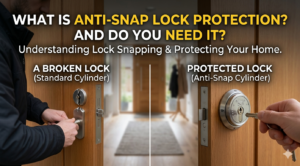
Anti-Snap Lock Options
Anti-snap cylinders provide enhanced security for Dundee homeowners.
Handle Repairs and Replacements
When Repairs Are Sufficient
Minor issues can often be repaired economically.
When Full Replacement Is Necessary
Severely worn handles usually require replacement.
Benefits of Choosing Professional uPVC Door Repair in Dundee Over DIY Fixes
Can You Repair or Should You Replace Your uPVC Door?
Situations Where Repair Is Enough
Most locking problems can be resolved through repair.
Minor Alignment Issues
Simple adjustments often restore functionality.
Handle Replacement
Replacing worn handles is usually straightforward.
Cylinder Replacement
A new cylinder can significantly improve security.
When Replacement May Be More Cost-Effective
Extensive Frame Damage
Structural damage may make repairs uneconomical.
Severe Warping
Significant warping can prevent proper operation.
Multiple Failed Components
When several major components fail simultaneously, replacement may offer better long-term value.
How to Prevent Future Locking Problems
Schedule Regular Maintenance
Annual Inspections
Regular checks help identify issues before they worsen.
Preventative Servicing
Professional servicing can extend the life of your door.
Keep Moving Parts Lubricated
Recommended Maintenance Frequency
Lubrication every six to twelve months is typically recommended.
Avoid Slamming the Door
Reducing Wear on Hinges and Locks
Gentle operation reduces stress on components.
Address Small Issues Early
Cost Savings
Minor repairs are usually less expensive than emergency callouts.
Preventing Emergency Lockouts
Early intervention helps avoid inconvenient lock failures.
Why Dundee Homeowners Choose Professional uPVC Door Repair Services
Fast Diagnosis and Repair
Experienced technicians quickly identify the root cause of locking issues.
Improved Home Security
Professional repairs help ensure your property remains protected.
Long-Term Cost Savings
Addressing problems correctly the first time reduces future repair costs.
Access to Quality Replacement Parts
Professionals use reliable components designed for long-term performance.
Emergency Repair Availability
Many local specialists Like Locksmith Dundee offer rapid response services for urgent situations.
Why You Should Hire a Professional for uPVC Door Repairs: Expert Guide
Frequently Asked Questions About uPVC Door Lock Repairs
Why does my uPVC door lock only when I lift the handle?
This is often caused by door misalignment, worn hinges, or issues within the multi-point locking mechanism.
Can a dropped uPVC door be repaired?
Yes. In most cases, a dropped door can be realigned through hinge adjustments or replacement.
How much does uPVC door lock repair cost in Dundee?
Costs vary depending on the issue, the parts required, and whether emergency service is needed.
How long does a typical repair take?
Many common repairs can be completed within a single visit.
Should I repair or replace my uPVC door lock?
If the rest of the door remains in good condition, repairing or replacing the lock is usually the most cost-effective solution.
Conclusion
A uPVC door that won’t lock properly should never be ignored. Whether the issue is caused by misalignment, worn hinges, a faulty multi-point locking mechanism, or a damaged cylinder, early intervention can prevent more costly repairs and improve the security of your property.
Many locking problems begin as minor inconveniences but can quickly develop into serious security concerns if left unresolved. Regular maintenance, prompt repairs, and professional inspections can help keep your door operating smoothly for years to come.
If you’re experiencing problems with a sticking lock, a dropped door, or a faulty locking mechanism, contact a trusted local specialist for professional uPVC Door Repair Dundee services. Fast action today can save you from a costly emergency tomorrow while ensuring your home remains secure, energy-efficient, and fully protected.